How to Choose Roofing SEO Keywords That Actually Drive Sales
A staggering 85% of people turn to the internet to find local roofing SEO keywords and businesses for their service needs.
Visibility means everything in today's roofing industry. The quality of your website's ranking could be the deciding factor between a busy schedule and zero calls. Homeowners with a leaking roof don't browse social media - they immediately search Google for solutions.
To maximize the impact of your roofing SEO keyword strategy, it’s important to recognize how local search and Google Maps listings drive highly qualified leads for roofing businesses. Keywords that signal local intent not only improve visibility in organic search but also enhance performance in map pack results, where prospects are actively seeking services nearby.
For a deeper look at how local SEO and Google Maps can dominate roofing lead generation -boosting calls, direction requests, and form submissions see our detailed guide on how local SEO and Google Maps dominate roofing lead generation. Integrating strong local keywords into both your site content and Google Business Profile helps you capture demand at every stage of the customer journey.
Roofing professionals know that choosing the right roofer keywords can revolutionize your business. The difference between successful contractors and those who struggle comes down to roofing keywords that target ready-to-buy customers. The data proves this point: contractors who invest in detailed SEO for roofing see their local lead generation jump by 70-80% in just 3-6 months.
Statistics tell the real story. Websites with strong optimization attract up to 1000% more traffic compared to those using other channels. On top of that, roofing companies ranking at the top of search results instantly build credibility and are nowhere near as likely to miss out on potential calls.
This piece will show you the exact process to identify, select, and implement roofing SEO keywords that generate actual sales not just traffic. Your phone will start ringing with qualified leads who need your services right now.
Define Your Roofing SEO Goals and Audience
Smart roofing contractors clarify their goals and understand their audience before starting keyword research. This first step determines if your SEO efforts will attract casual browsers or qualified buyers ready to hire you.
What are you trying to rank for?
Your SEO strategy must start with identifying the exact services you want to promote. Do you target residential or commercial clients? Do you specialize in roof repairs, replacements, inspections, or installations? These differences shape your entire keyword strategy.
Your keyword choices create the base for all future digital marketing activities. This includes developing URL hierarchy, writing content, and executing on-page SEO. The right keywords help you connect with people who need your specific services rather than just generating traffic.
Keywords generally fall into three primary categories:
- High-volume keywords: Generic, highly competitive phrases like "roof repair" or "roofing contractor near me"
- Local keywords: Location-based terms targeting specific areas such as "roofing services Manchester"
- Long-tail keywords: Specific phrases (four words or more) suggesting higher intent, such as "emergency roof repair in Hull"
Long-tail keywords need special attention because over 70% of online searches use these longer, more specific phrases. They might show lower search volume but often signal someone closer to making a purchase.
Who is your ideal customer?
Marketing won't work if you don't know who needs your services. Customer profiles or "personas" help you understand potential clients' minds and their reasons for seeking roofing services.
Start by defining demographic details like location, age, income level, and specific roofing needs. People search for roofers when their current roof shows damage, they need emergency repairs after a storm, or they want their home to look better.
Research shows 63% of consumers expect businesses to know their unique needs and expectations. Your audience's search behavior gives an explanation about their demographics, interests, and pain points.
How location impacts keyword strategy
Location means everything to roofing contractors. Most customers search in specific geographic areas, making local SEO vital.
Local keyword strategy's life-blood involves adding region-specific terms to your website content, blog posts, and business listings. A company serving Atlanta would target "roof repair Atlanta" rather than just "roof repair".
Location-specific keywords reduce competition by a lot. SEMRush data shows "Roofing Companies Columbus Ohio" has a keyword difficulty of 50, while "Roofing Company Columbus Georgia" scores only 12. This reflects the market size and competition differences.
SEO plans often fail because they ignore construction buyers' behavior. Roofing company SEO relies on urgency, location, and trust. Homeowners typically search during storms, after damage, or when problems can't wait.
Companies serving multiple areas should create dedicated landing pages for each location. This targeted approach helps you rank better for specific location-based searches and connect with the right customers in each service area.
Build a Keyword List Based on Search Intent
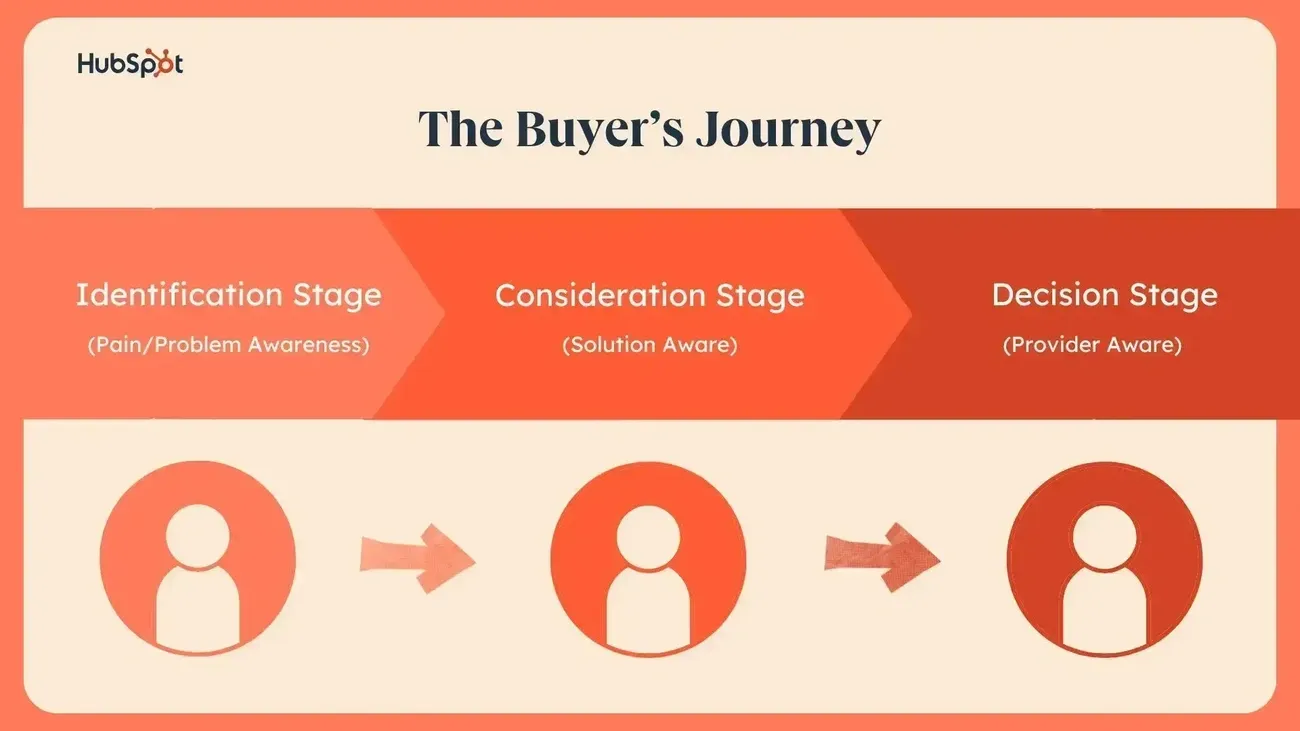
Search intent is the life-blood of effective keyword selection. Roofers don't just need traffic - they need sales. Keywords that bring customers rather than just visitors depend on understanding intent.
Informational vs transactional keywords
Each online search shows where prospects are in their buying cycle. We see two main types:
Informational keywords show research phase activity. These searches come from people who want to learn but aren't ready to buy yet. "How long does a roof last in Texas?" or "shingle vs metal roofing for heavy rain" are good examples. Homeowners who use these terms want education before they hire services.
Transactional keywords show readiness for action. These searches with high commercial intent like "roof replacement near me" or "licensed electrician in Charlotte" reveal prospects who are ready to hire. This is a big deal as it means that someone searching "buy sauna" is more likely to purchase than someone typing "does a sauna burn calories".
A detailed strategy needs both keyword types. Informational content builds trust and you retain control, while transactional content leads to quick conversions.
Examples of high-intent roofer keywords
High-intent roofing keywords show urgency, specific services, or buyer readiness:
- Emergency-focused terms: "24-hour roof repair," "emergency roof leak repair," "roof leak fix immediate"
- Insurance-related queries: "hail damage roof repair," "storm damage roof repair company"
- Service-specific searches: "flat roof replacement services," "metal roof installation seattle"
- High-value signals: "roof replacement [city]," "new roof installation"
These keywords convert better because they match what buyers need right now. A search for "roof repair florida" is closer to booking than just "roofing".
How to spot buyer-ready search terms
You can spot high-converting keywords by looking for patterns that show purchase readiness. Some signals stand out:
Action-oriented language gives the clearest sign. Words like "buy," "hire," "quote," "estimate," "book," or "schedule" show commercial intent. On top of that, searches with "near me" or location names usually mean immediate service needs.
Problem-specific queries often mean urgent situations. Homeowners who search "roof leak repair nj" or "emergency roof repair" need help right away. These searchers convert at high rates because during storms or emergencies, they call the first roofer who answers.
Material-specific searches like "asphalt shingle roof replacement" show buyers who know what they want. These prospects often have higher-value projects ranging from $8,000-$25,000.
Your keyword strategy should focus on:
- Creating dedicated service pages for transactional terms
- Developing educational content for informational queries
- Segmenting keywords by buying stage to line up with your sales funnel
Note that informational content builds brand authority over time, but transactional keywords drive revenue and deserve priority on your highest-converting pages.
Use Tools to Find the Right Roofing Keywords
The right roofing SEO keywords need specialized tools to show what your potential customers search for. Your entire SEO strategy needs a solid foundation based on keyword research. This research helps you find terms that bring the most relevant consumers to your website and digital assets.
Google Keyword Planner
Google Keyword Planner serves as a free, available starting point to get keyword insights for roofing contractors. This tool helps you research relevant keywords and test which ones bring the most traffic, though it was created for advertising campaigns. You'll get metrics like monthly search volume and competition levels for roofing-specific terms.
The platform works best when you add your specific business location during searches. To name just one example, use "Roofing, Downtown Miami, Florida" instead of just "roofing." Your search results become more targeted with an exact address, though you'll see fewer searches. Your target markets can expand gradually as your business grows.
Ubersuggest and Semrush
Paid tools like Ubersuggest and Semrush give you deeper insights for a more complete keyword analysis. Ubersuggest gives you robust, affordable SEO research at USD 29.00 monthly, with lifetime options at USD 290.00. The tool shines at keyword research, competitor analysis, and site audits.
Semrush works as an all-in-one digital marketing tool with broader features but costs more (starting from USD 139.50 monthly). These tools show monthly search volume, SEO difficulty, and paid difficulty scores for keywords.
Ubersuggest typically produces more concise, practical reports with unique features like keyword visualization. The tool breaks down suggested keywords by questions (how, what, who, where), though Semrush offers slightly more keyword data.
Google Autocomplete and 'People Also Ask'
Google's own features are a great way to get keyword insights without cost. Google Autocomplete shows how potential customers naturally phrase their searches. Type "slate roof repair bris" and watch it complete as "Bristol" or "BS8".
The 'People Also Ask' section reveals question clusters that make excellent supporting subtopics for your service pages. You'll spot patterns like "how much does EPDM cost" or "can you repair chimney lead flashing" when you expand several PAA boxes. These question-based keywords convert exceptionally well because they address specific customer concerns.
Analyzing keyword difficulty and volume
A good keyword strategy needs balance between search volume and competition difficulty. Search volume shows monthly search frequency, while difficulty scores (typically 0-100) tell you how hard ranking will be.
Local roofing keywords work best with difficulty scores under 50 and search volumes between 100-1,000 monthly searches. This range often gives you the best balance between traffic potential and ranking feasibility.
Location-specific keywords reduce competition by a lot. To name just one example, "roof repair Atlanta" gets 11-50 searches, making it more valuable than "Atlanta roof repair" which only gets 0-10 monthly searches.
Segment Keywords by Page Type and Funnel Stage
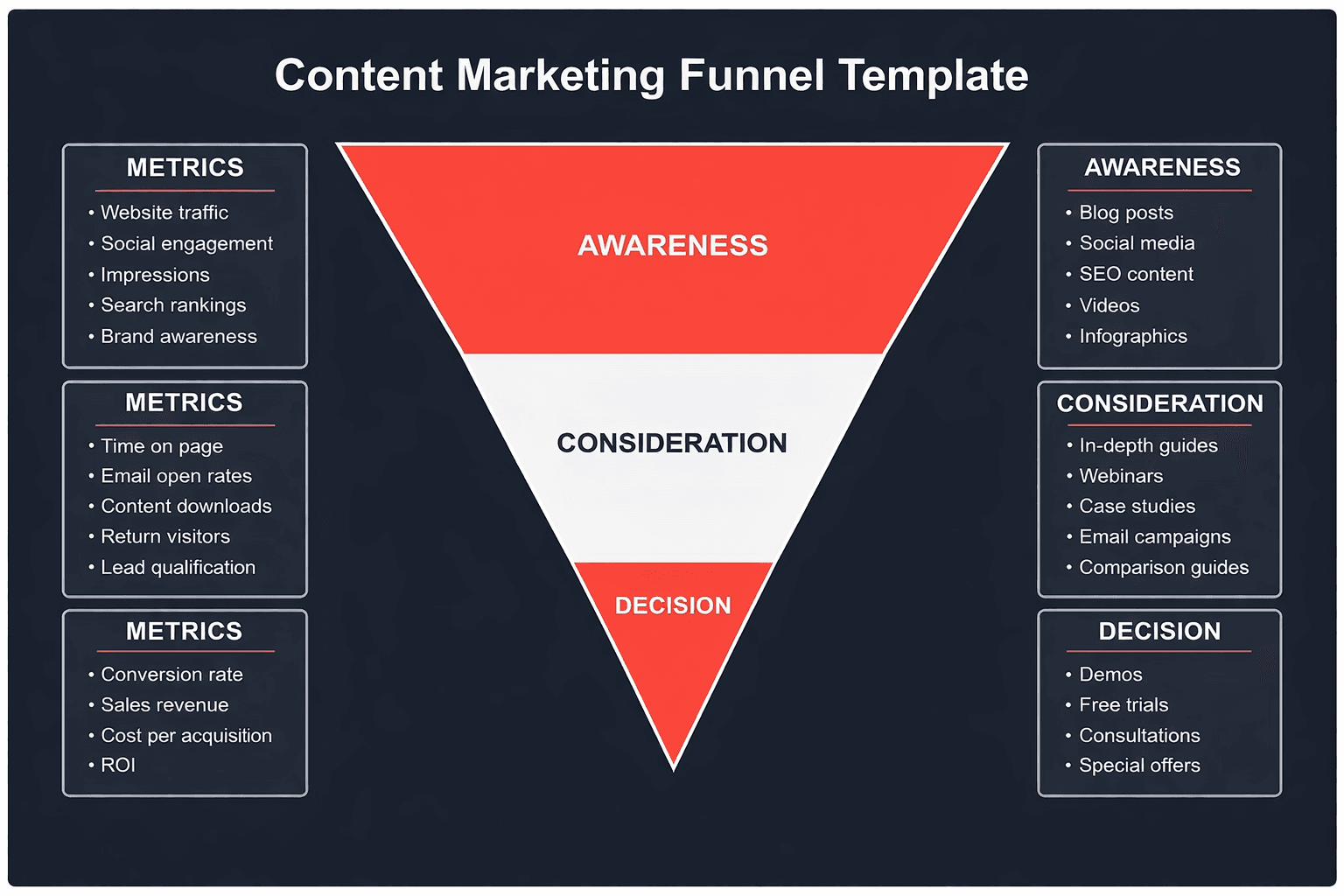
The right keyword organization can make a huge difference in your marketing results. You'll get better results by organizing keywords based on page types and sales funnel stages. This approach will help visitors find exactly what they need when they search.
Homepage and service pages
Your homepage needs to target broad, branded keywords like "roofing company" or "roofing contractor" with your location. These pages are the foundations of your site's architecture and usually target high-volume search terms. The service pages need dedicated spaces for each specific service you offer. A search for "roof replacement" shows the person is ready to hire. You should create separate pages for services like "Roof Repair Dallas," "New Roof Installation Dallas," and "Commercial Roofing Dallas" to get the most from specific keywords.
Each service page should include location + service keywords in headings, meta titles, and descriptions. This will boost your Google relevance and get better click-through rates.
Blog posts and FAQs
Blog content helps you catch potential customers early in their buying experience. Your company becomes their expert source of information before they're ready to buy. The best way to organize content is through topic clusters - a main service page supported by blogs that answer customer questions. To name just one example, you can create posts around a core service with topics like "Signs you need roof repair" that link back to your main service page.
This method shows your expertise while breaking down complex roofing topics into clear, step-by-step advice.
Landing pages for PPC
Landing pages for paid campaigns should zero in on high-intent, transactional keywords. These pages need clear calls-to-action that match specific search terms. Unlike organic content, PPC landing pages should focus on conversion with:
- Offer cues that match query language ("Same-week survey," "48-hour quote")
- Proof elements that mirror the exact keyword (material, district, property type)
- Next steps that match urgency (call-first layouts for emergencies, form-first for planned projects)
Keywords for Google Business Profile
Your Google Business Profile will affect your local search visibility and Map Pack appearance by a lot. You can optimize it with:
NAP (Name, Address, Phone) information should stay consistent across all online platforms. Put main keywords naturally in your business description and list all specific services. Customer reviews are vital - respond to them because positive feedback helps your local SEO performance. These elements work together to boost your visibility in location-specific searches.
Track, Test, and Refine Your Keyword Strategy
A keyword strategy needs ongoing work and attention rather than being a one-time task. Your success will depend on how well you track and refine it.
Set up keyword tracking tools
Tools like SEMrush, Ahrefs, and Moz give you detailed tracking features to see keyword rankings, difficulty levels, and what competitors are doing. Roofing contractors can use these specialized tools to watch their targeted keywords and find new opportunities in their market. These resources will help your keyword strategy adapt to market changes.
Monitor rankings and traffic
Your performance metrics will show which keywords bring results and which ones fall short. You should watch these key indicators:
- Organic traffic growth to targeted pages
- Keyword ranking improvements
- Click-through rates for featured snippets
- Lead generation metrics (form submissions, calls)
- Local pack visibility
Adjust based on performance
Review your strategy monthly or quarterly to keep up with market changes and new technology. When you find keywords that aren't performing well, you can:
- Redirect weak performers to similar content
- Remove irrelevant material
- Make existing content better and more optimized
- Combine related items into detailed resources
A/B test content with different keyword focuses
A/B testing changes website elements to boost search visibility. You should try different headlines, meta descriptions, or content structures. Change just one element in each test. This method shows exactly which changes affect performance. Look at conversion rates, click-through rates, time on page, and revenue per visitor to find the most effective ways to use roofing keywords.