Google relies on over 40 signals to determine canonicalization errors across websites. The "Duplicate, Google chose different canonical than user" status in Search Console might trigger panic - but this warning rarely impacts your site's performance.
These canonical errors don't damage your website's health. Many flagged URLs still attract organic traffic after these warnings surface. Google's handling of duplicate clustering and canonicalization determines which content version appears in search results. Our analysis of airline websites shows that 95% of these unexpected canonicalization issues result from mismatched internal links and redirects between site editions. The relationship between canonicalization and normalization helps identify Google's experimental errors during canonical page selection.
This detailed guide explores Google's internal management of duplicate content within canonical clusters. You'll learn about the signals that shape these decisions and discover expandable solutions to boost your search visibility.
Understanding Canonical Clusters in Google's Indexing System
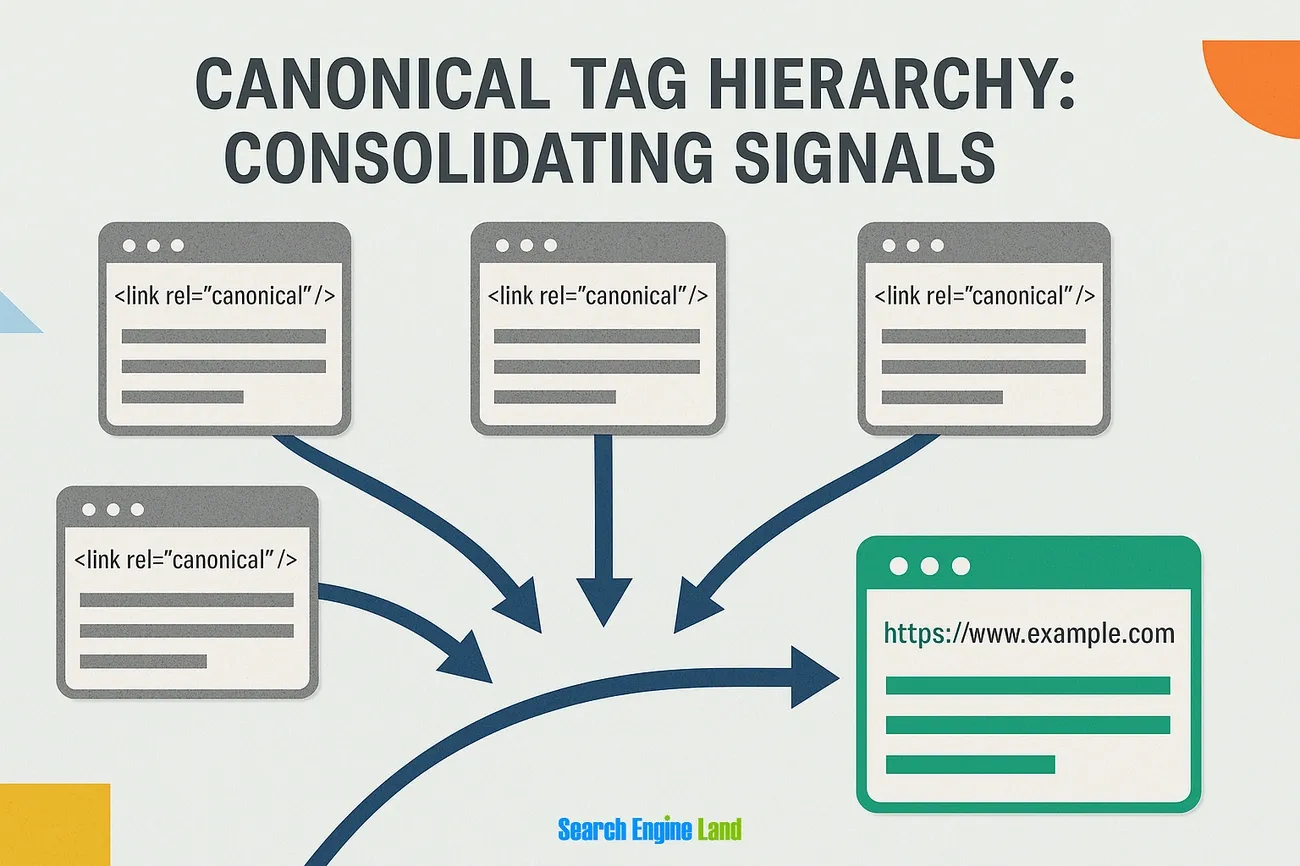
Canonicalization plays a vital role in Google's indexing process. This is how Google handles duplicate or nearly similar content across the web. The goal is to show users relevant results while keeping a clean index.
Duplicate clustering vs. canonicalization
These two processes work together but serve different functions in Google's indexing system:
- Clustering is the original process where Google spots and groups pages with similar or nearly similar content. John Mueller puts it simply: "Clustering is basically taking the pages that we think are the same".
- Canonicalization happens after clustering. Google picks which page best represents that content from the group. Mueller explains it: "from those pages, which one is the best one?".
This difference is significant because site owners often blame all duplicate content issues on canonicalization. The real issue might lie in how Google clusters their pages.
How Google defines a canonical page internally
Google calls a canonical page "the URL of a page that Google chose as the most representative from a set of duplicate pages". The system reviews about 40 different signals to pick the canonical page. These signals include:
- Whether the page uses HTTP or HTTPS
- Redirection patterns
- Internal linking structure
- Presence in XML sitemaps
- Rel="canonical" link annotations
You can suggest your preference through these methods, but Google sees them as hints rather than rules. Google might override your canonical choice if other signals point to a better page for users.
Role of the centerpiece content in clustering
The "centerpiece" content of each page drives Google's clustering decisions. Google first identifies this main content when indexing a page. Pages with similar centerpieces end up in the same cluster even if they have different headers, footers, or navigation elements.
In spite of that, fully translated content stays separate from clustering. Google only treats different language versions as duplicates if the main content stays in the same language with just navigation elements translated.
The canonical page becomes the primary source for quality evaluation and indexing once Google picks it. This page gets crawled more often while duplicates see fewer crawls to reduce server load.
Signals Google Uses to Select a Canonical Page
Google looks at many signals to pick the best URL version from duplicate pages for search results. Webmasters can guide this selection process by learning about these signals.
rel=canonical vs. 301 redirects: how strong are these signals?
Google handles 301 redirects and canonical tags with different levels of importance. A 301 redirect tells users and search engines to move permanently from one URL to another, passing all SEO value to the new URL. The rel=canonical tags work differently - they let users see both pages while combining link value. Redirects send the strongest signal among all methods to show your preferred URL, with rel=canonical tags coming in close second.
How sitemaps help pick canonical URLs
Your sitemap choices send a useful signal for canonicalization, though not as strong as other methods. Google's Gary Illyes explains, "It's normal to have some duplicate content on your site, but you want to give search engines as many hints as you can about which version should be canonical". You can boost Google's chances of picking your preferred URLs by listing only these versions in your sitemaps. This approach reinforces your other canonicalization efforts.
How internal links shape canonical choices
Your website's internal linking structure affects Google's canonical decisions by a lot. Pages with more internal links from authoritative pages usually gain more authority. Google tends to pick these well-linked pages as canonical versions. This becomes crucial when other signals conflict or don't exist.
Understanding how Google handles canonicalization
Google's system looks at about 40 different signals during canonicalization. Canonical tags must sit in the HTML head section to work. The system "will start falling back on lesser signals" when it finds conflicting information. You'll get the best results by keeping all your signals aligned - from redirects and canonical tags to internal links and sitemaps. This prevents errors that mixed signals can cause.
Common Causes of Canonical Errors in Duplicate Clusters
Google's canonicalization errors stem from several common mechanisms. Let me break down the most frequent problems that create duplicate content clustering challenges.
Misaligned internal links across site editions
Multi-regional sites face internal linking inconsistencies that account for about 95% of canonicalization issues. The biggest problems often lurk in header and footer menus that point to unintended localized versions. Links in /en-us/, /en-ca/, and /en-gb/ editions might mistakenly direct users to the /en/ edition. These misaligned links commonly appear in:
- Content blocks featuring links to wrong site editions
- Carousel modules
- Non-200 links within hreflang annotations
- Custom pages linking to different country-market editions
Conflicting hreflang and canonical tags
Search engines expect hreflang tags to work seamlessly with canonical tags. Problems arise when these tags point to different URLs. Google might ignore both signals or make unexpected choices in such situations. Each page version should have matching hreflang and canonical tags pointing to the same URL. Search engines could index incorrect pages and disrupt your site's international targeting structure otherwise.
Canonicalization unexpectedly shrank by one character: parsing issues
URL parsing can create canonical errors. A classic example shows up when developers use relative URLs instead of absolute URLs in canonical tags. The tag <link rel=canonical href="example.com/cupcake.html" /> leads Google to interpret the canonical as https://example.com/example.com/cupcake.html - a clearly undesired outcome.
What are some experimental errors in canonical selection?
Canonical selection faces several experimental errors:
- Multiple rel=canonical declarations on one page make Google typically ignore them all
- Rel=canonical tags placed in the body instead of the head section
- Canonical tags that point to first pages in paginated series
- HTTPS pages with invalid SSL certificates push Google to prefer HTTP versions
- Category pages that incorrectly canonicalize to featured articles
How Google Treats Alternate Versions Within a Cluster
Google's complex canonicalization system treats duplicate pages differently. The search ecosystem still values alternate versions even after Google establishes canonical relationships.
How alternate pages appear in SERPs
Google sometimes ranks non-canonical versions of pages instead of the designated canonical ones. This happens when different signals conflict or when Google finds the alternate version more relevant to a specific search query. You might see a message in Google Search Console saying "Google is still ranking alternative pages instead of the canonical ones". This behavior usually occurs because:
- Specific queries benefit from unique elements in the alternate page
- The alternate version has stronger internal linking patterns
- User behavior data shows better performance from the alternate page
Localized variants and their role in duplicate clusters
Duplicate clusters handle localized content in unique ways. Google gives preference to URLs within hreflang clusters for canonicalization. Two German variants (de-de and de-ch) that point to each other with hreflang annotations become preferred canonicals over a third variant (de-at) without these connections.
Google's Dupes Team member Allan compares localization to an "iceberg" where hreflang mismatches are just visible challenges above deeper issues. The system must also decide if translated pages belong in the same cluster. Pages with price differences typically get separate clusters to serve users better.
Why GSC warnings don't stop page indexing
Webmasters often misunderstand the "Alternate Page with Proper Canonical Tag" status, but it's not an error. This status shows that Google found duplicate content and correctly interpreted your canonical tags. Common examples include:
- Ecommerce product variants (color/size filters)
- Print-friendly page versions
- AMP pages
- RSS feeds
- Multilingual site variants
These differences explain Google's varied treatment of alternate versions in canonical clusters.
Conclusion
Google's duplicate content management system works through a sophisticated combination of clustering and canonicalization processes. Without doubt, website owners can learn about optimizing their content for search visibility by understanding these mechanisms. In this piece, we explored how Google identifies similar pages and then selects representatives from each cluster.
Google uses over 40 signals for canonical selection, which shows the complexity behind these decisions. Your technical SEO strategy needs to line up with these signals as it's vital to control which pages Google shows in search results. The pieces of this intricate puzzle include HTTPS protocols, redirection patterns, internal linking structures, sitemap inclusion, and canonical tags.
Evidence clearly shows that misaligned internal links cause about 95% of canonicalization issues, especially in multi-regional sites. On top of that, it creates major confusion for search engines when hreflang and canonical tags conflict. Website owners should maintain consistency across all signals to avoid these common pitfalls.
Google sometimes ranks non-canonical versions despite carefully placed canonical tags. This occurs when Google finds an alternate version that better serves a specific query or when conflicting signals make the preferred page unclear.
Note that Google treats canonicalization hints as suggestions rather than directives. So, the best strategy to guide Google's decisions is to maintain consistent signals across redirects, canonical tags, internal linking, and sitemaps. Website owners can better manage duplicate content issues with this knowledge. This helps optimize crawl efficiency and boost their site's search performance across canonical clusters.
Key Takeaways
Understanding how Google manages duplicate content through canonical clusters is essential for maintaining optimal search visibility and avoiding common technical SEO pitfalls.
• Google uses 40+ signals to select canonical pages, treating your canonical tags as suggestions rather than directives, so align all signals consistently across redirects, internal links, and sitemaps.
• 95% of canonicalization errors stem from misaligned internal links across site editions, particularly in headers, footers, and navigation menus pointing to unintended localized versions.
• "Duplicate, Google chose different canonical" warnings aren't harmful - many flagged URLs continue receiving organic traffic, and this status often indicates Google successfully processed your canonical signals.
• Clustering happens before canonicalization - Google first groups similar content pages, then selects the best representative, meaning the issue might be in clustering rather than canonical selection.
• 301 redirects send stronger canonicalization signals than rel=canonical tags, but both work together with internal linking and sitemap inclusion to guide Google's decisions.
The key to successful duplicate content management lies in maintaining signal consistency across all canonicalization methods while understanding that Google's complex algorithms may sometimes override your preferences to better serve user intent.
FAQs
Q1. How does Google identify and handle duplicate content? Google uses over 40 signals to identify and cluster similar pages. It then selects a canonical page to represent each cluster in search results. While Google considers webmaster-provided signals like canonical tags, it may override these if other factors suggest a different page would better serve users.
Q2. What are the strongest signals for canonical selection? 301 redirects provide the strongest canonicalization signal, followed closely by rel=canonical tags. Other important factors include internal linking structure, sitemap inclusion, and the use of HTTPS. Consistency across all these signals is key for effective canonicalization.
Q3. Why might Google choose a different canonical than the one specified by the website owner? Google may select a different canonical if it determines another page better serves user intent, if there are conflicting signals, or if the alternate version has unique elements valuable for specific queries. This doesn't necessarily harm your site's performance, as many flagged URLs continue to receive organic traffic.
Q4. How do hreflang tags interact with canonicalization? Hreflang tags should work in harmony with canonical tags. For proper implementation, both tags should point to the same URL for each version of a page. When used correctly, Google prefers URLs that are part of hreflang clusters for canonicalization in multi-language or multi-regional sites.
Q5. What are common causes of canonicalization errors? The most frequent cause, accounting for about 95% of issues, is misaligned internal links across site editions, especially in headers and footers. Other common causes include conflicting hreflang and canonical tags, URL parsing issues (like using relative instead of absolute URLs in canonical tags), and multiple rel=canonical declarations on a single page.